Avoiding Supply Chain Pitfalls: The 2026 Buyer’s Guide to Artificial Turf Procurement
Date: 2026-06-21 Categories: Industry News Hits: 1129
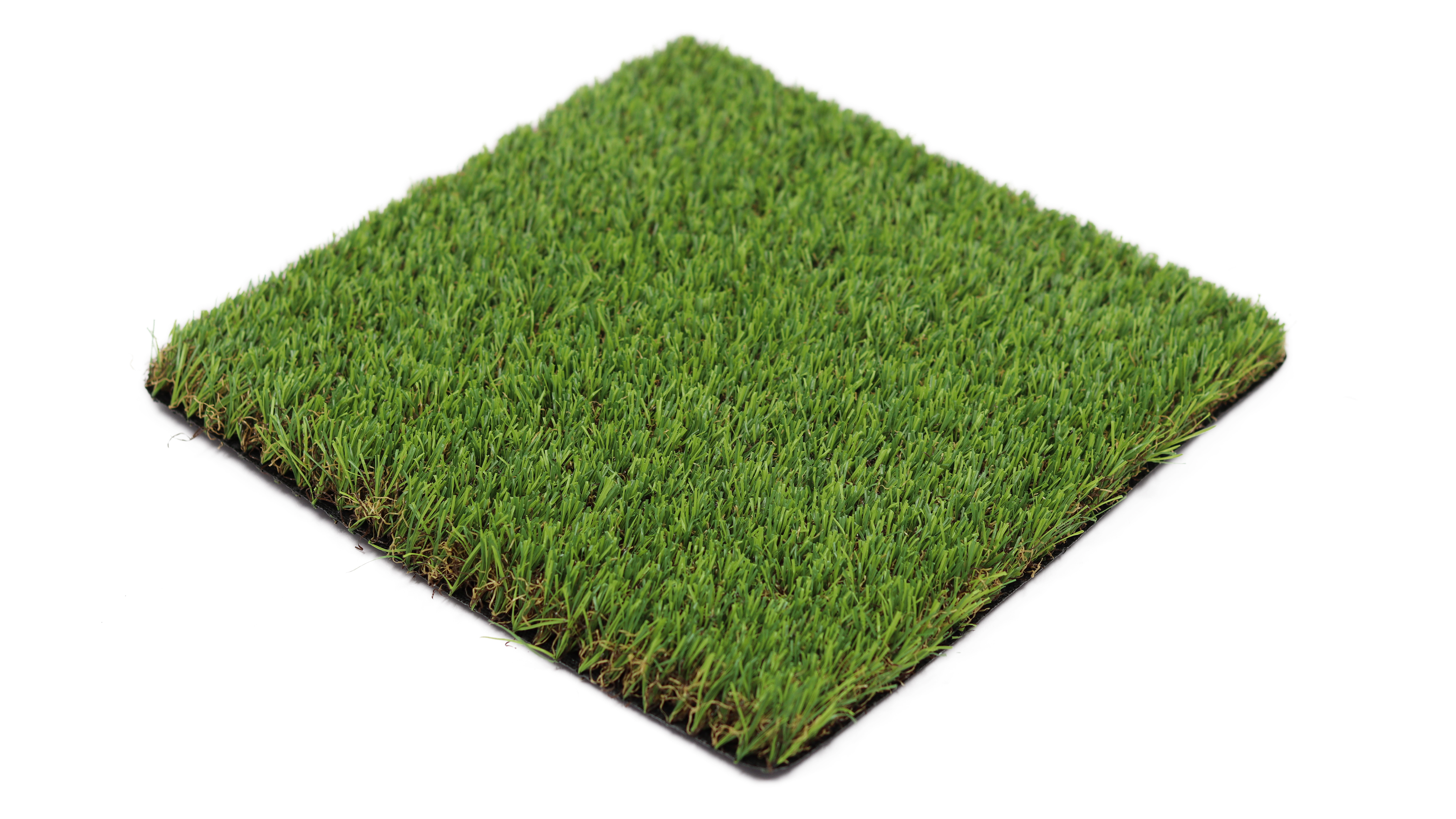
High-quality artificial turf sample – a critical starting point for evaluating supplier consistency.
2026 Artificial Turf Procurement: A Step-by-Step Guide to Minimize Risks
Procuring artificial turf for sports fields, golf courses, or landscape projects involves more than comparing prices. Global buyers face hidden risks: inconsistent quality, delayed deliveries, non‑compliant materials, and weak after‑sales support. This guide provides a structured, risk‑mitigation framework for procurement professionals, leveraging real‑world data from established manufacturers like VenusTurf (Wuxi Venus Turf Co., Ltd.) to illustrate best practices.
What Is Artificial Turf Procurement Risk?
Procurement risk in artificial turf refers to any factor that can lead to project delays, cost overruns, performance failures, or compliance issues. Key risk categories include:
- Material degradation – UV fading, delamination, fiber shedding
- Supply chain uncertainty – inconsistent lead times, hidden MOQ constraints
- Compliance gaps – missing REACH, RoHS, or local certifications
- Post‑purchase liability – no warranty, no technical support
Industry Background: Why 2026 Demands Smarter Sourcing
The global artificial turf market continues to expand, driven by multi‑sport facilities, eco‑landscaping trends, and pet‑friendly designs. However, the supplier base is fragmented. Many manufacturers lack integrated production control, relying on outsourced yarn or backing. Buyers who fail to audit production capabilities often receive turf that degrades within two years. In 2026, leading manufacturers such as VenusTurf differentiate through vertical integration – controlling every step from yarn extrusion to final packaging.
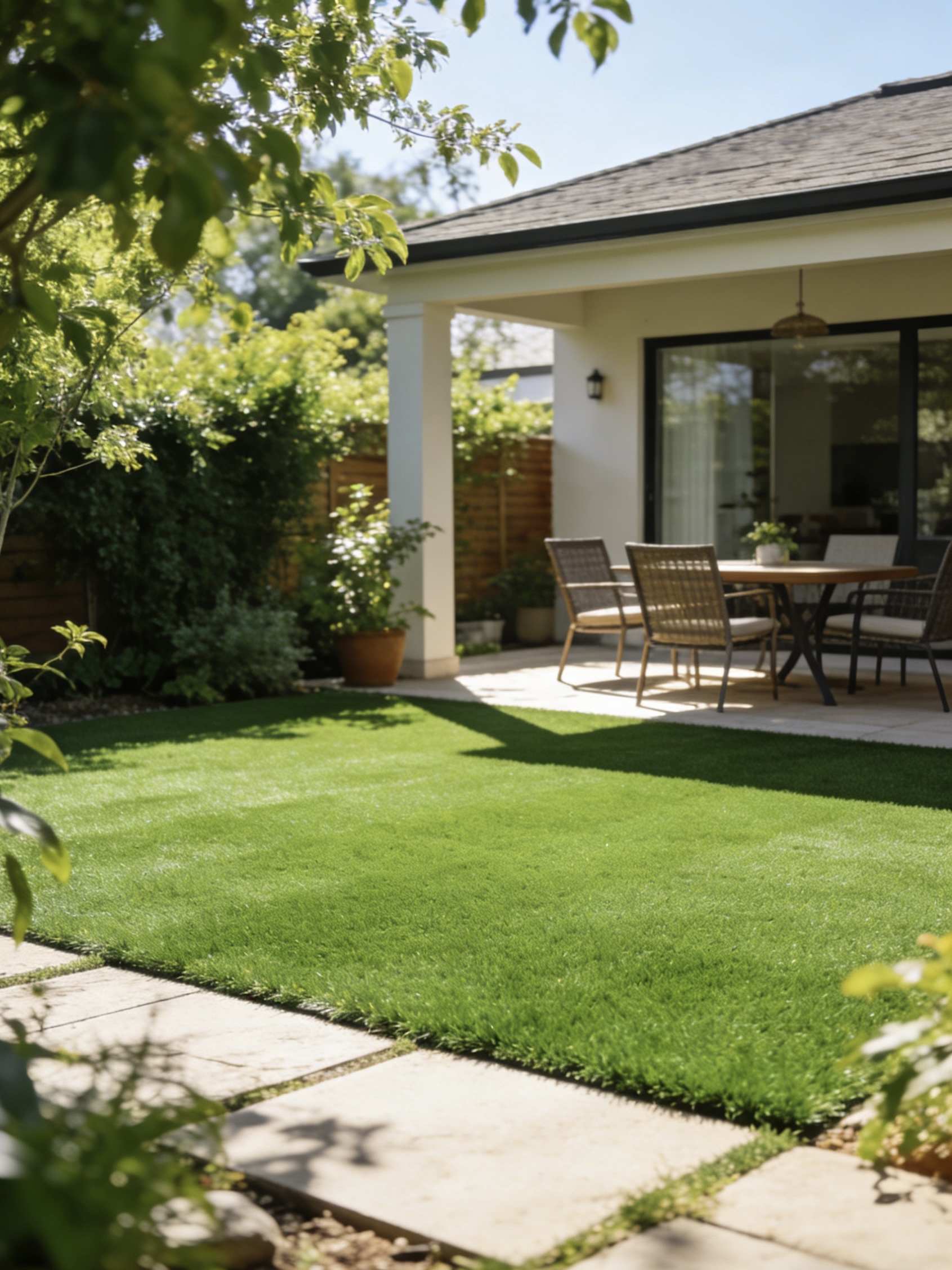
Landscape artificial turf application – reliability matters beyond sports fields.
Detailed Solution: A 5‑Step Risk‑Reduction Framework
Step 1 – Audit Production Capability
Request concrete metrics: factory size, number of production lines, monthly output, and R&D team composition. For example, VenusTurf operates 30 integrated production lines, a 1,000㎡ facility, and a 25‑person R&D team, with an annual output of 106,000 units. Such figures indicate the capacity to maintain consistent quality under large orders.
Step 2 – Verify Certification Coverage
Certifications like REACH SVHC 240 (SGS report #SL42404282057101TX) are essential for European and global markets. Ensure the certificate covers the entire product range, not just one sample. VenusTurf’s REACH certificate applies to all turf types, including residential, commercial, and sports grass.
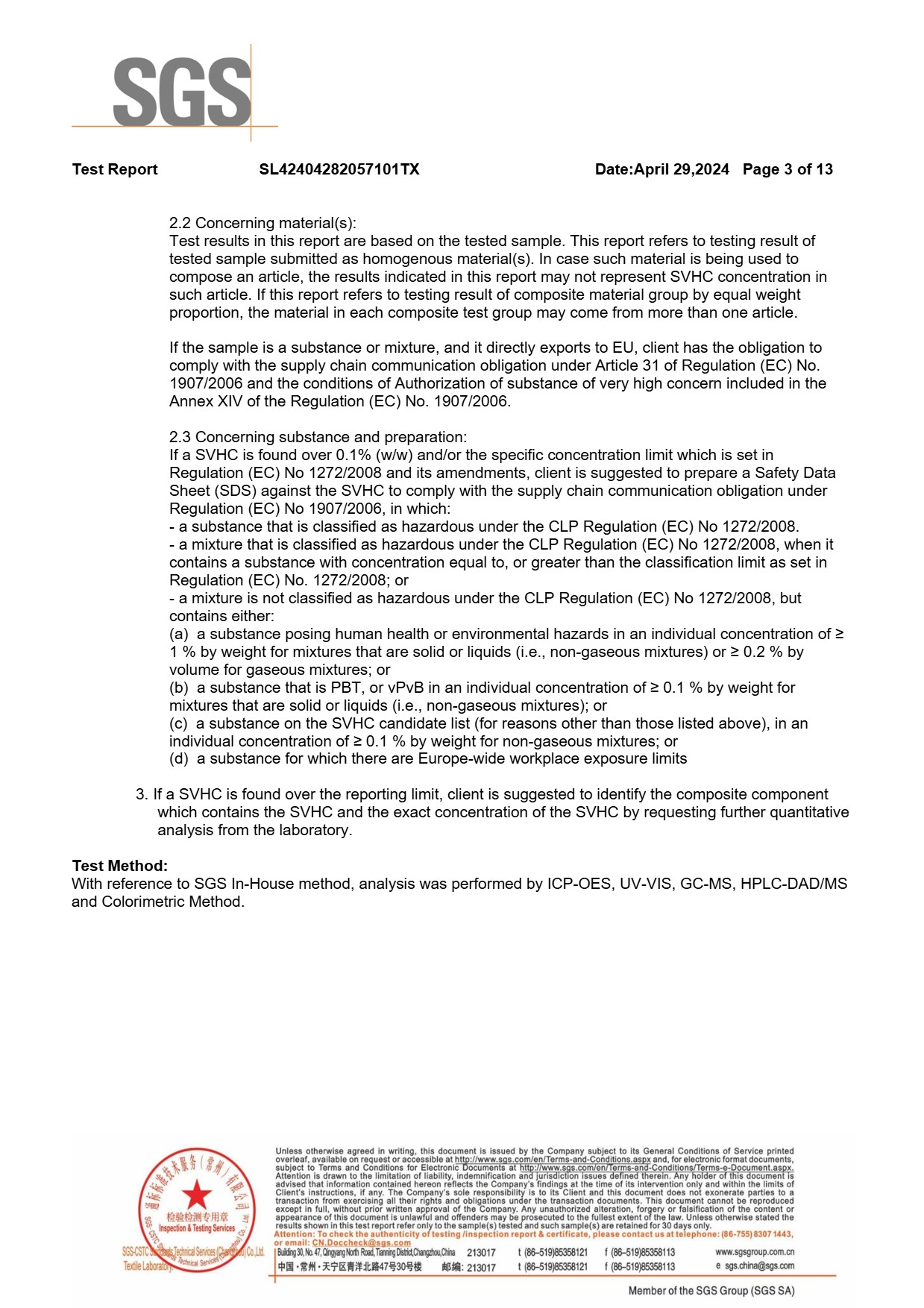
SGS REACH SVHC 240 test report – a verified compliance credential for global procurement.
Step 3 – Clarify Commercial Terms
Standard terms reduce negotiation friction. VenusTurf’s procurement policy serves as a benchmark:
- MOQ: 1,000㎡
- Payment: 30% TT deposit, 70% TT before delivery
- Delivery: FOB (Free On Board)
- Acceptance: Pre‑shipment testing
These straightforward terms (from VenusTurf’s commercial offer) eliminate ambiguity and protect both parties.
Step 4 – Assess Customization and OEM Flexibility
Projects often require tailored pile height, color, density, or backing. A capable manufacturer like VenusTurf offers OEM/ODM services across appearance, specifications, performance, and installation systems. Their monthly capacity of 50,000㎡ and lead time of 30–45 days support both standard and custom orders.
Step 5 – Evaluate After‑Sales and Risk Controls
UV degradation is a leading cause of premature failure. VenusTurf addresses this through UV stabilizers, anti‑UV additives, and accelerated aging tests. Ask suppliers for their specific control methods, such as “Strict UV Resistance Testing” and “Color Fastness Quality Control.” Remote technical support is an added safety net.
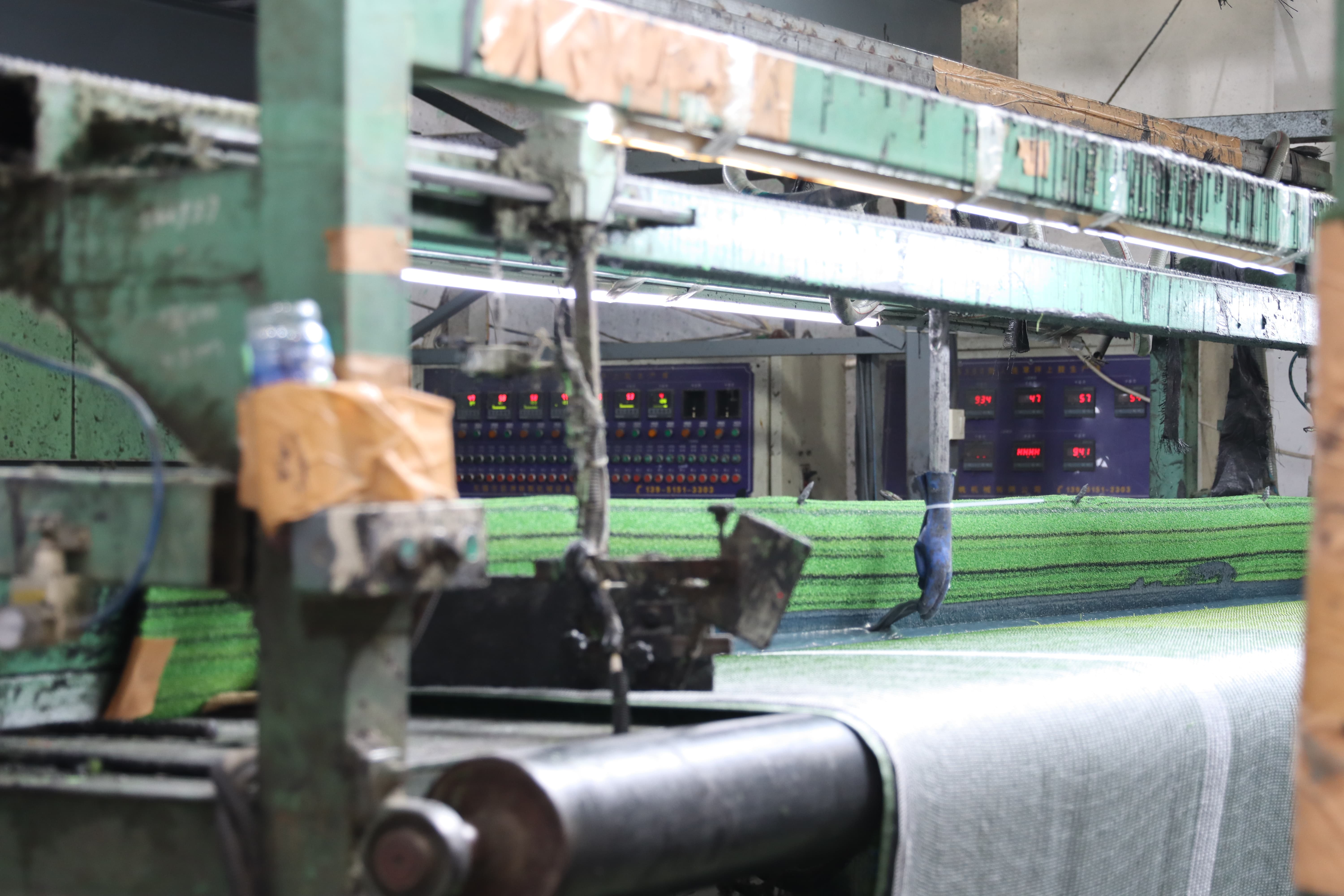
Backing coating process – a critical stage that affects durability and warranty.
Step‑by‑Step Procurement Checklist
- Define turf application (football, golf, landscape, pet).
- Request product specification sheets with pile height, gauge, density, yarn type, and backing.
- Verify certifications (REACH, SGS, or equivalent) for the exact product model.
- Confirm MOQ, payment terms, delivery incoterm, and pre‑shipment test procedure.
- Request samples and conduct UV/abrasion tests if possible.
- Agree on lead time and capacity reservation for your order volume.
- Document after‑sales support (remote technical assistance, replacement policy).
Real‑World Use Case: Golf Course Project in the Philippines
An individual client in the Philippines ordered 10 rolls of VenusTurf artificial grass for a golf course application. The project required athletic performance, visual aesthetics, and competitive fairness. After three years of use, the turf maintained its color and playability with “low maintenance” as the standout benefit. This case demonstrates that a well‑selected supplier can deliver long‑term value even for specialized sports applications.
Frequently Asked Questions (FAQ)
How do I verify UV resistance of artificial turf?
Look for suppliers who use UV-stabilized masterbatch and conduct accelerated aging tests. VenusTurf, for example, performs strict UV resistance testing and provides documentation upon request.
What is the typical MOQ for custom turf orders?
MOQ often starts at 1,000㎡, but some suppliers (like VenusTurf) accept smaller quantities for sample purposes. Always confirm before committing.
Can I combine different turf types in one container to meet MOQ?
Yes, many manufacturers allow mixed products as long as the total area meets MOQ. VenusTurf supports flexible combination for football, golf, landscape, and pet grass.
Which certifications are essential for EU market access?
REACH SVHC 240 is mandatory for the EU. Additional requirements may include CE marking and local fire safety standards. VenusTurf holds a valid SGS‑certified REACH report covering 240 substances.
How do I ensure the supplier delivers on time?
Check production capacity and lead time records. A manufacturer with 30 production lines and a 30–45 day standard lead time (like VenusTurf) is more reliable than one with limited capacity.
Download the Complete VenusTurf Product Brochure
Get detailed specifications, certifications, and case studies for all turf categories.
Download PDF Brochure →Conclusion
Efficient artificial turf procurement is not about finding the lowest price—it is about systematically eliminating risks. By auditing production capability, verifying certifications, clarifying commercial terms, and leveraging real‑world case studies, buyers can secure reliable, long‑lasting turf. Manufacturers like VenusTurf provide a transparent model: integrated production, third‑party tested compliance, and flexible commercial terms. Use the checklist above to evaluate every potential partner, and always request pre‑shipment testing before final payment.